


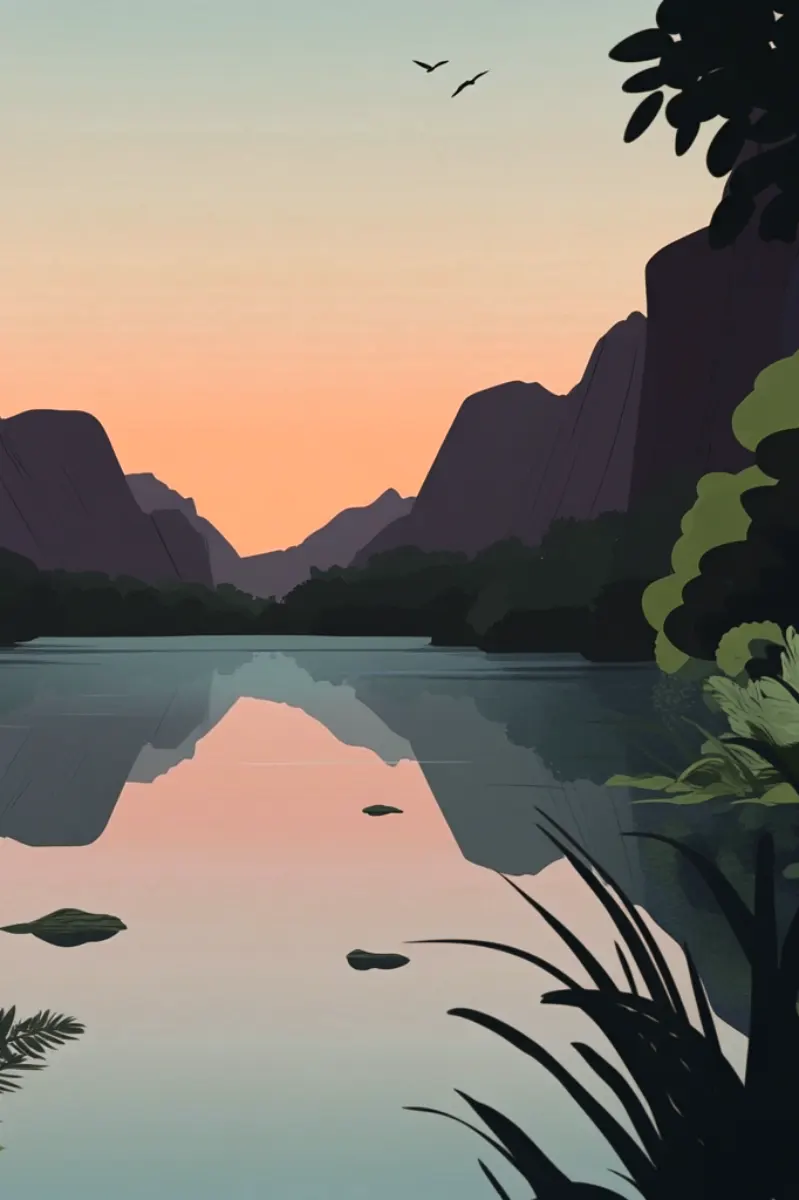



Nature
Practice Type
View post
A Sol userviewed a quote
3hr ago
If we could see the miracle of a single flower clearly, our whole life would change.
Words of Wisdom
The Buddha
View post
A Sol usercompleted a practice
4hr ago
View post
A Sol usercompleted a practice
4hr ago
Related Circles
The Purple Phoenix CollectiveTrauma survivors healing together through creative expression, spiritual exploration, somatic practices, connection to nature, and mutual support. We offer free online workshops, support groups, and classes. Come join our tribe!
Zarina E.I am Happy the way I am. I am always nice person. I always try to help.
Discover Sacred SleepThis is not a place to discuss your sleep issues (please go to Sleep Issues & Solutions Circle).
In my 32 years of experience guiding people to sleep, I’ve also deepened my connection to Spirit in the process. The latest research shows that having purpose, getting “right” with our world leads to more restorative sleep. Come explore the process of creating Sacred Sleep and experience the benefits that ensue.
Yoga & Fitness on RollerSkatesLearning to rollerskate for strengthening and balance can be challenging but with a good fun group and the best guidance it’s a great experience.
Join us on Wednesdays at 7:15pm at the gardens park.
NYC Shamanic CircleShamanic Journeying + Drumming Circle in NYC 🪶 ✨
Next circle on Sunday March 30th🌿
Modern Shamanism 🪶The Return to Shamanism: Unlocking Happiness Through The Ancient Wisdom of the Shamans 🌀
Sleep Issues & SolutionsBy now we are all aware of how important sleep is to our health and well being. Much can be done to uncover impediments to quality sleep if one is willing to look at nighttime as well as daytime activities.

Nature AppreciationWhere you can express your appreciation for the natural world. Share your experiences and the beauty of nature. Explore ways to connect spiritually with the earth and its many wonders.
View post
You didn’t “lose your mind.” Your mind did exactly what it needed to do to survive. It split things off. It numbed what was unbearable. It created patterns to keep you safe. The problem is— those same patterns can keep you stuck later. So now you’re here. Not broken. Not starting from scratch. But learning how to update a system that was built in chaos. That’s deep work. And you don’t have to do it alone. 🔥 The Purple Phoenix Collective
1
View post
A Sol usercompleted a practice
10hr ago
View post
A Sol usercompleted a practice
12hr ago
1
Related Collections
View post
A Sol usercompleted a practice
16hr ago
View post
A Sol usercompleted a practice
16hr ago
Try a guided session
Book a transformative session with an experienced holistic wellness Guide.


Suhas
Resolve Upward/Downward Projection Loop
$60 · 90min session

Suhas
Resolve Upward Projection
$50 · 60min session


Kristina
Healing from Trauma through Creativity and Meaning-Making
$49 · 60min session


Jerry
Minding The Spirit Within Us
$25 · 60min session

Suhas
Resolve Downward Projection
$50 · 60min session

MJ
Marni
Tai Chi for Arthritis and Fall Prevention
$45 · 45min session

Suhas
Connect to your Heart-guidance
$40 · 45min session


Lisa
Intro to Shamanism and its core principles
$10 · 60min session
View post
A Sol usercompleted a practice
16hr ago
View post
A Sol userviewed an article
16hr ago
5min video · Daoism & Qi
God in Nature
1
Related Practices

Feel the wind →
Let nature's breath whisper to you

Go for a swim →
Symbolize your spiritual re-birth

Observe the weather →
Accept the weather as it comes

Listen to birdsong →
Hear the wisdom in birdsong

Útiseta reflection →
Let your silence enable nature to speak to you

Do some gardening →
Be a steward of the earth
Observe ant behavior →
Observe nature's quiet persistence
Do some gardening →
Connect with nature by tending the earth
Do some gardening →
Nurture your soul by cultivating the earth

Study the details of a leaf →
Discover the universe in the palm of your hand
Watch the clouds →
Embrace the sky's serenity and find peace in the ephemeral

Show compassion to an animal →
Be a steward of the earth
Study the details of a leaf →
A single leaf holds infinite wisdom
Explore the details of a tree's bark →
Unveil nature's intricate patterns for inner peace
Go for a swim in fresh water →
Create a clean abode for your soul
Observe the weather →
Embrace nature's rhythyms to find inner peace

Watch a sunset or sunrise →
Appreciate the beauty that begins and ends each day
Explore the details of a tree's bark →
Connect with the textures of nature
Do some gardening →
Nurture your soul with nature's serenity
Watch a sunset or sunrise →
Witness the sun's steady return
View post
A Sol usercompleted a practice
16hr ago
View post
A Sol usercompleted a practice
20hr ago
View post
A Sol usercompleted a practice
20hr ago
Related Quotes
View post
A Sol usercompleted a practice
20hr ago
View post
A Sol usercompleted a practice
21hr ago
View post
A Sol usercompleted a practice
22hr ago
Related Insights
God in Nature
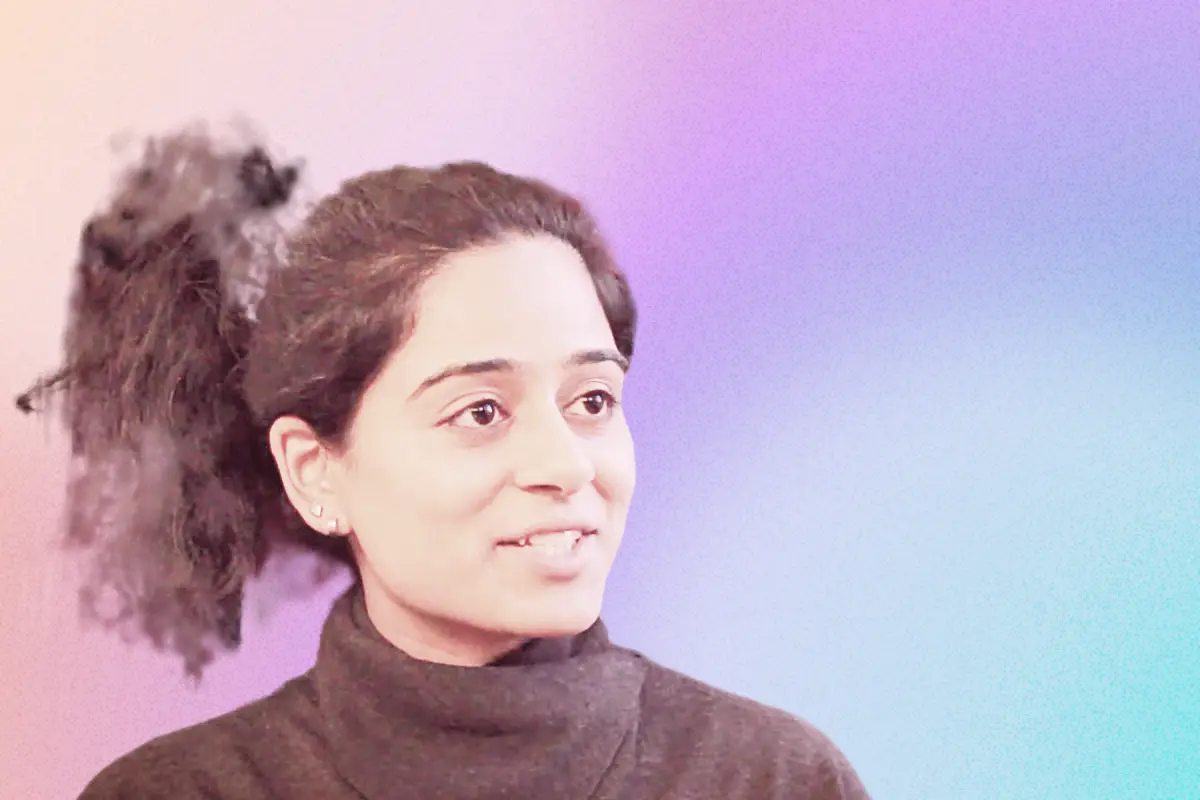
What Hindu tradition says about the environment
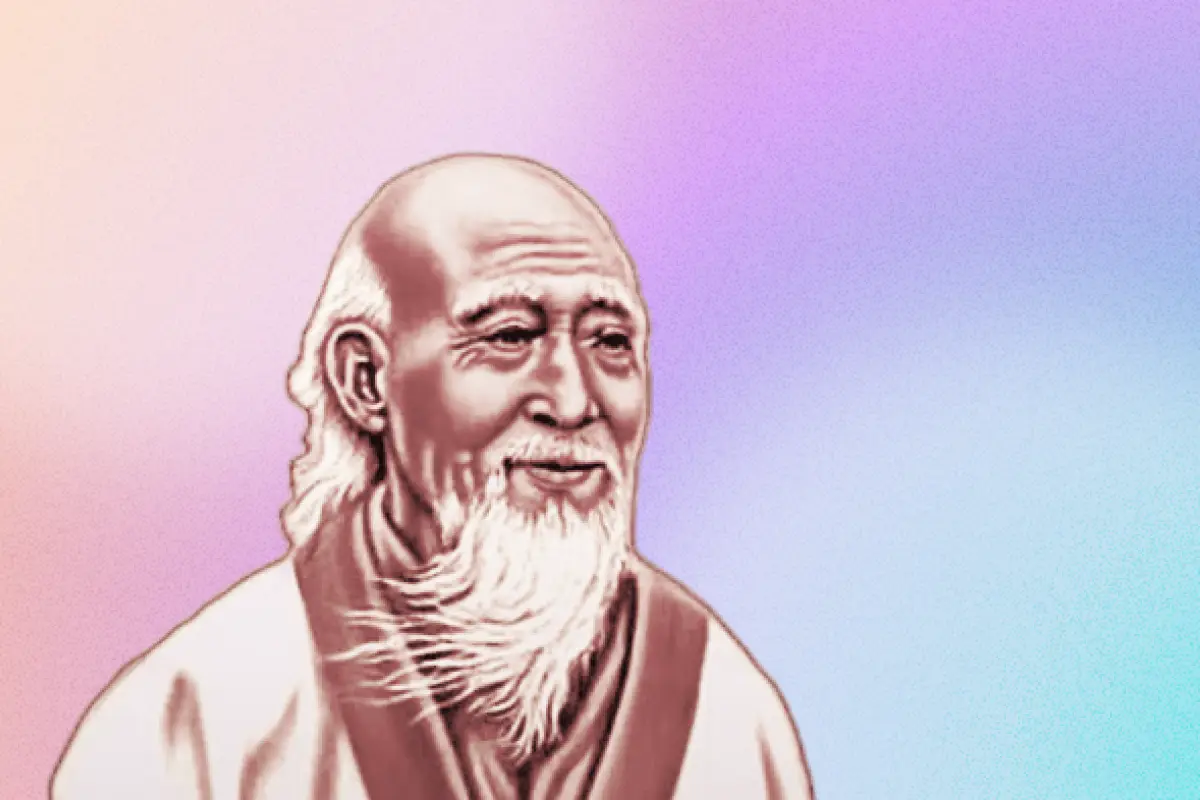
Daoism's approach to being spiritual

The Math of God

The health benefits of nature
Hellenistic nature reverence

Protecting animals in Islam
Protecting nature in Islam
.webp&w=3840&q=75)
Stewarding Nature the Jewish way
View post
A Sol usercompleted a practice
22hr ago
View post
A Sol usercompleted a practice
1d ago
View post
A Sol usercompleted a practice
1d ago
View post
A Sol usercompleted a practice
1d ago
View post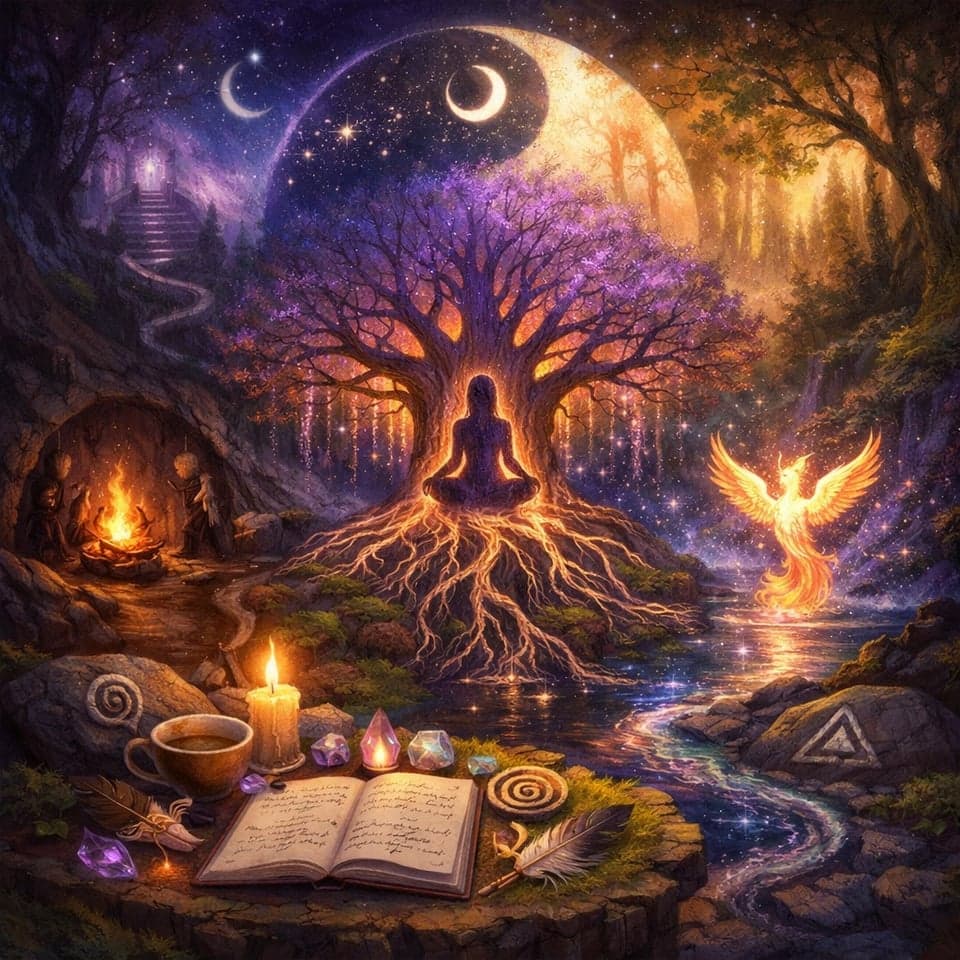
I’m offering 1:1 trauma-informed coaching through The Purple Phoenix Collective 💜 This isn’t about fixing you. It’s about helping you come back to yourself. My work focuses on reclaiming your narrative through creativity, metaphor, and symbolism—because not everything can be processed through logic alone. Sometimes we need poetry, imagery, and meaning to access what’s deeper. We might explore: ☯️ Shadow work + parts of you that have been pushed down ⭐ Writing, symbolism, and personal mythology 🌿 Rituals, nature, and grounding practices 🧘 Somatic work + nervous system regulation This is spiritual, but not dogmatic—deeply influenced by Taoism, Buddhism, mindfulness, and lived experience. I’m not a guru. I’m a survivor. I live with C-PTSD and bipolar 1 disorder. I’ve experienced profound trauma, loss, and rebuilding from nothing. That’s my main credential—I understand this from the inside. This is a collaborative space. You are the expert of your own experience. If you’re feeling disconnected, stuck in survival mode, or craving something deeper, this work might resonate. You can also explore workshops + support circles through The Purple Phoenix Collective. Email me if you feel called 💜 Kristina Pingston p2collective@protonmail.com
5
View post
A Sol userviewed a quote
1d ago
Nature is the highest good and the highest excellence lies in accepting the laws of Nature completely.
Words of Wisdom
Zhu Xi
View post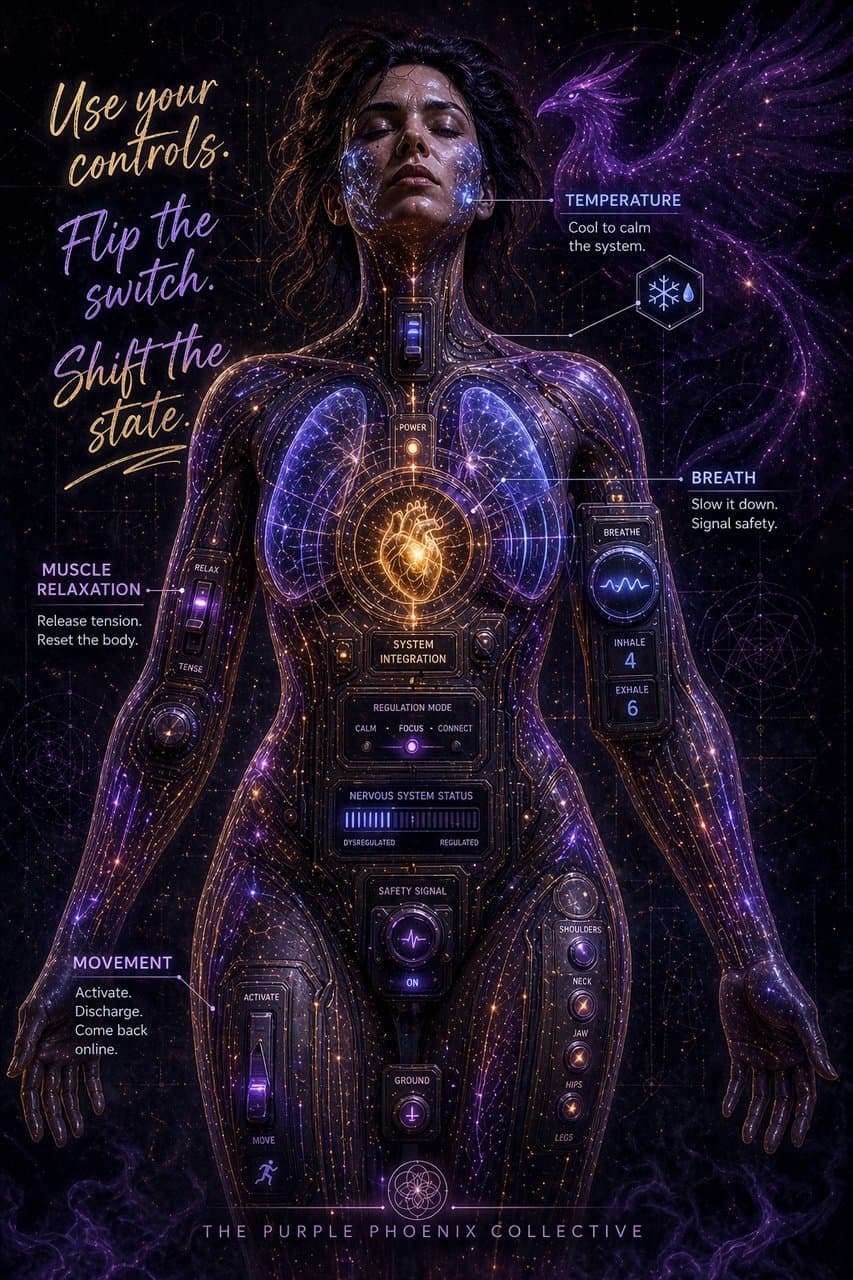
SHIFT YOUR STATE (fast): THE TIP SKILL 🔥💧 When your nervous system is overwhelmed—whether you’re anxious and spiraling or shut down and frozen—your thinking brain won’t get you out. You have to work with your body first. In Dialectical Behavior Therapy, the TIP skill is designed to quickly reset your nervous system. T = Temperature (cold exposure) → Splash cold water on your face or hold an ice pack to your cheeks/eyes → Triggers a reflex that slows your heart rate → Best for: panic, intense anxiety, emotional overwhelm I = Intense exercise (short burst) → 30–60 seconds: jumping jacks, sprinting in place, push-ups → Burns off stress hormones and activates your system → Best for: anxiety or coming out of freeze P = Paced breathing → Inhale 4 seconds, exhale 6–8 seconds → Longer exhales signal safety to your body → Best for: calming anxiety and grounding (Bonus P = Paired muscle relaxation) → Tense + release muscle groups slowly → Helps you reconnect to your body if you feel numb or disconnected FOR ANXIETY (too activated): Cold + slow breathing → bring it down FOR SHUTDOWN (numb/frozen): Movement + muscle activation → bring it up These are biological switches you can use to shift your state in minutes. You don’t have to wait to feel better to act. Sometimes acting is what changes how you feel. 🟣 The Purple Phoenix Collective
5
1
Circles
Join a circle to connect with others and share your ideas.