


Art
Practice Type
View post
A Sol usercompleted a practice
5hr ago
View post
A Sol userviewed a quote
9hr ago
Art can lead to a higher sense of self-worth.
Did You Know?
The Arts in Psychotherapy 2007;34(1):1–10
Related Circles
The Purple Phoenix CollectiveTrauma survivors healing together through creative expression, spiritual exploration, somatic practices, connection to nature, and mutual support. We offer free online workshops, support groups, and classes. Come join our tribe!
VastuSutramWelcome to my Vastu Wisdom Circle — a space where ancient Indian architectural science meets modern living.
Here, I share simple, practical guidance to help you create harmony, balance, and positive energy in your home and life.
Let’s transform spaces into places that support your well-being.
Spiritual Creatives by The Spiritual Arts FoundationFinally - a meetup group for spiritual creatives!
Are you an artist, composer, photographer, designer, writer, musician, filmmaker or producer whose work is inspired by spirituality? Spiritual Creatives is for you - a vibrant community where creative expression and spiritual inspiration meet.
Created by The Spiritual Arts Foundation, the UK’s first arts organisation dedicated to exploring spirituality through the arts, Spiritual Creatives has grown into a thriving meetup.com group of over 2,300 members, and now also exists on the Sol platform.
Founded by composer, music producer and filmmaker Clifford White - whose debut album Ascension (New World Music, 1985) sold over 50,000 copies - the group continues to connect and inspire conscious creators across the UK.
Witnessing Without JudgementIn this circle, I will post dreamlike images (my own handmade art), and members will respond by describing how their unconscious mind reacts to the image. No judgement, no cross-talk, just witnessing ourselves and one another. This type of witnessing can be profoundly healing for those with a deep need to be seen.
View post
A Sol usercompleted a practice
11hr ago
View post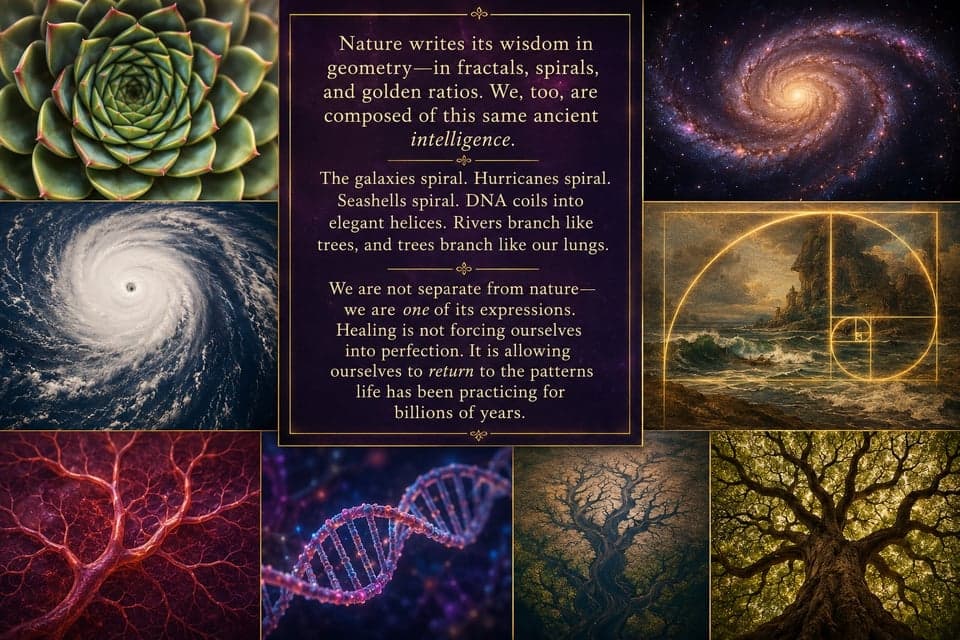
If your current state of being were a pattern in nature, what would it look like? A wild, tangled vine? A quiet, gathering fog? A sudden, sharp crystalline structure? Mine would be a spider’s web: it looks fragile but is actual incredibly strong.
3
Try a guided session
Book a transformative session with an experienced holistic wellness Guide.

MJ
Marni
Tai Chi for Arthritis and Fall Prevention
$45 · 45min session


Kristina
Healing from Trauma through Creativity and Meaning-Making
$49 · 60min session


Suhas
Resolve Upward/Downward Projection Loop
$60 · 90min session


Lisa
Intro to Shamanism and its core principles
$10 · 60min session

Suhas
Connect to your Heart-guidance
$40 · 45min session

Suhas
Resolve Downward Projection
$50 · 60min session

Suhas
Resolve Upward Projection
$50 · 60min session


Jerry
Minding The Spirit Within Us
$25 · 60min session
View post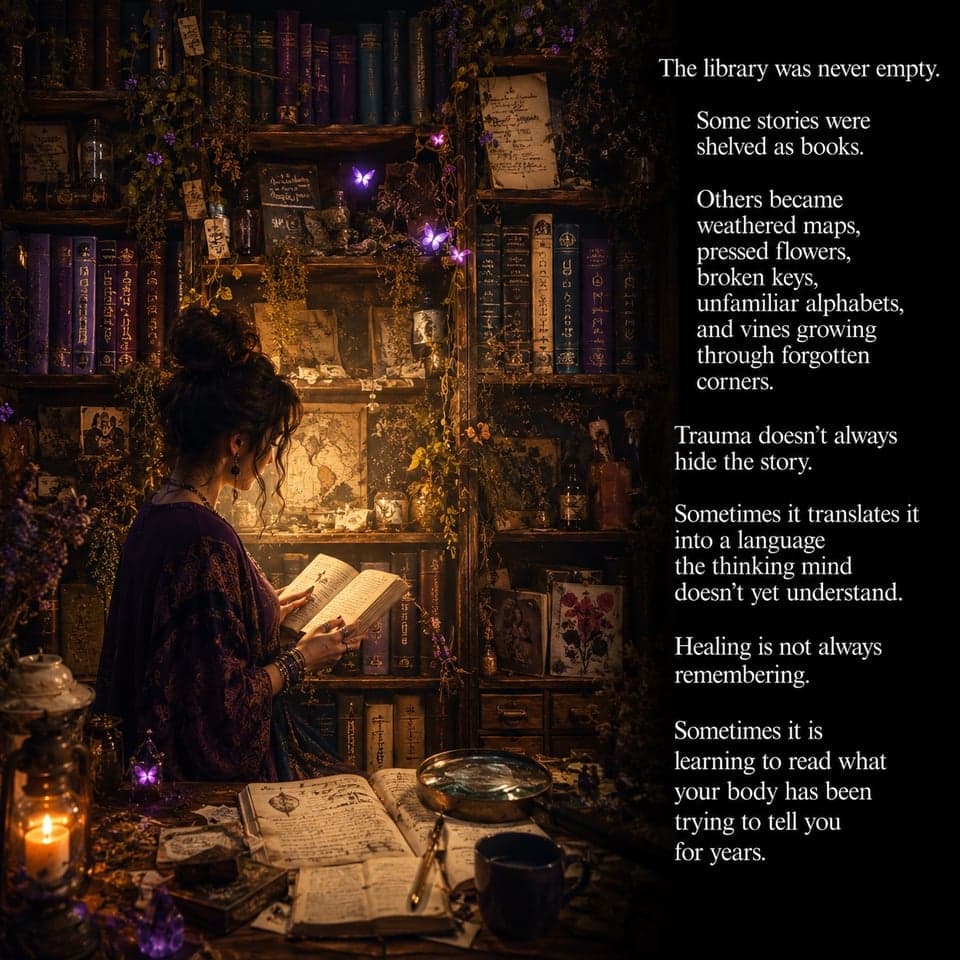
Sometimes the memories are not lost. They are written in a different language you can learn to understand, encoded in your body and deep in your psyche.
2
View post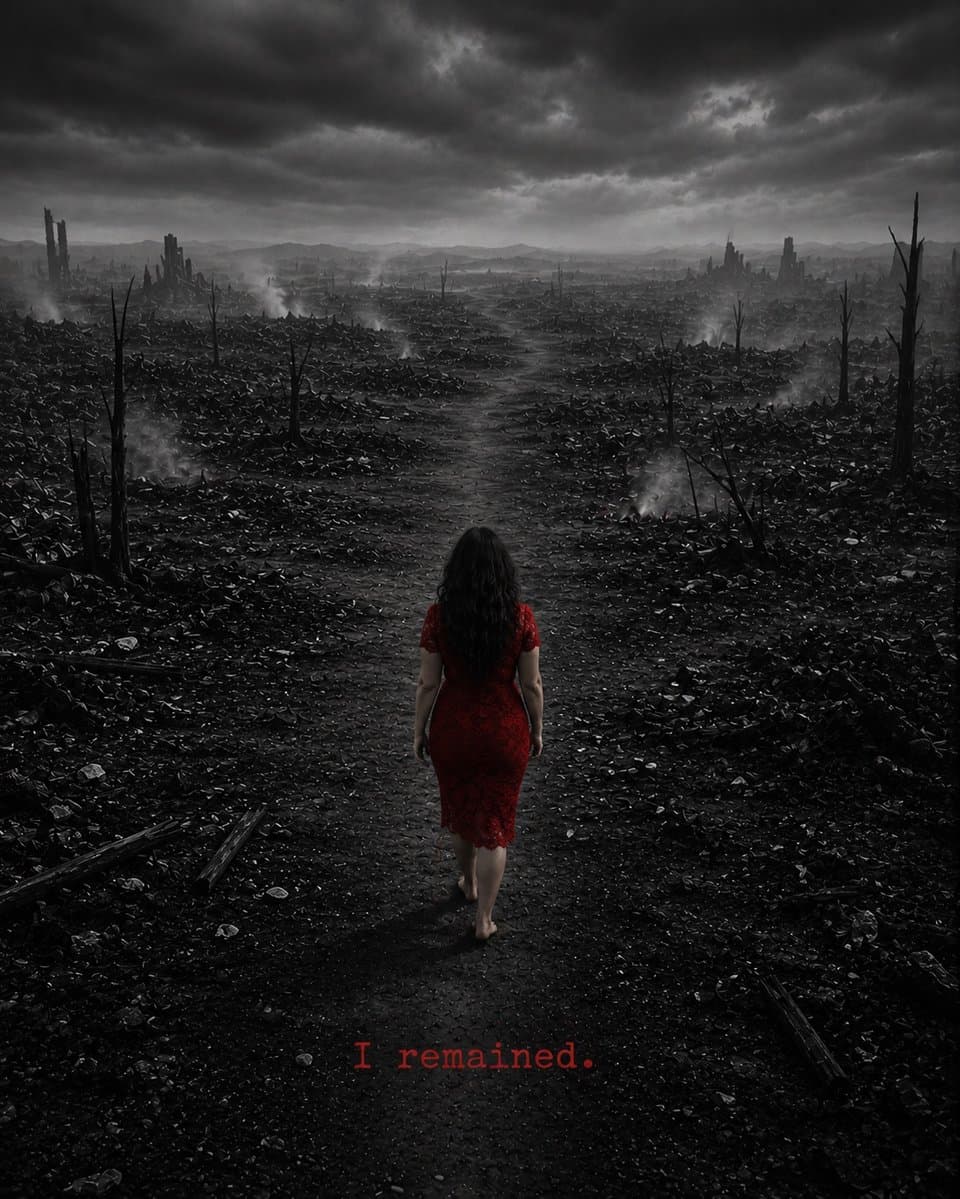
I never grieved the forest I just proceeded I never knelt down To dig through the ashes I just kept moving Even when they tried To hurt me To annihilate my mind And steal my flame I continued These weren’t brave acts I survived because the alternative Meant I couldn’t learn anymore And I must keep learning at all costs This is my story of survival Of how I remained
5
Related Practices

Try drawing Hindu symbols →
Unlock spiritual power through sacred symbols

Play a musical instrument →
Practice discipline through melody

Try drawing alchemy symbols →
Unlock the secrets of transformation with ancient symbols

Try drawing astrology symbols →
Unlock the secrets of the stars using ancient symbols
Dance →
Unlock your inner mysteries with movement

Try drawing something from nature →
Harmonize yourself with the natural world
Listen to some music →
Find harmony in mindful listening
Dance →
Move your body to unlock spiritual energy

Try drawing divine mystical symbols →
Unlock the secrets of the universe with sacred art
Try drawing a "tilaka" →
Channel spiritual energy with body art
Sing acapella →
Harness the spiritual power of your voice
Dance →
Move freely, feel the rhythm of life
Try writing a short poem →
Awaken your spirit with the power of words
Try calligraphy →
Praise God with each brush stroke
Create "arabesque" art →
Praise God's manifestation in natural patterns
Try drawing a mandala →
Unlock inner peace through sacred art
Make a floral arrangement →
Express yourself artistically to attract spiritual energy
Listen to some music →
Tap into the divine nature of music
Dance →
Move with grace and purpose
Dance →
Use movement and music to improve wellness
View post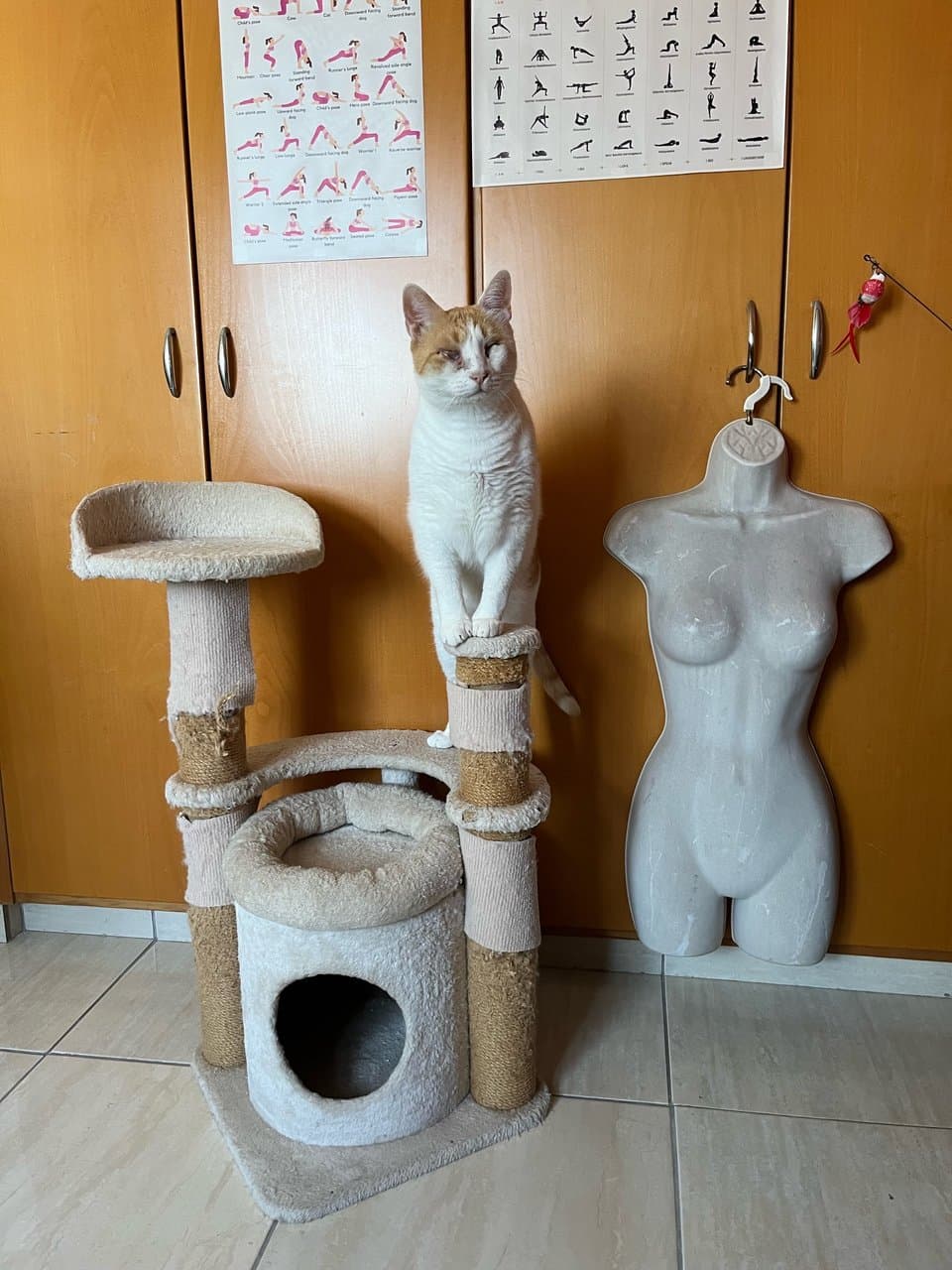
I found this mannequin at a thrift store for $2 and I’ve got some multi colored small glass diamonds and grit that I want to cover it in. It should be beautiful when it’s finished, i want to hang it ohr garden but I just need to start!!
5
3
View post
A Sol usercompleted a practice
2d ago
2
Related Quotes
View post
A Sol usercompleted a practice
3d ago
View post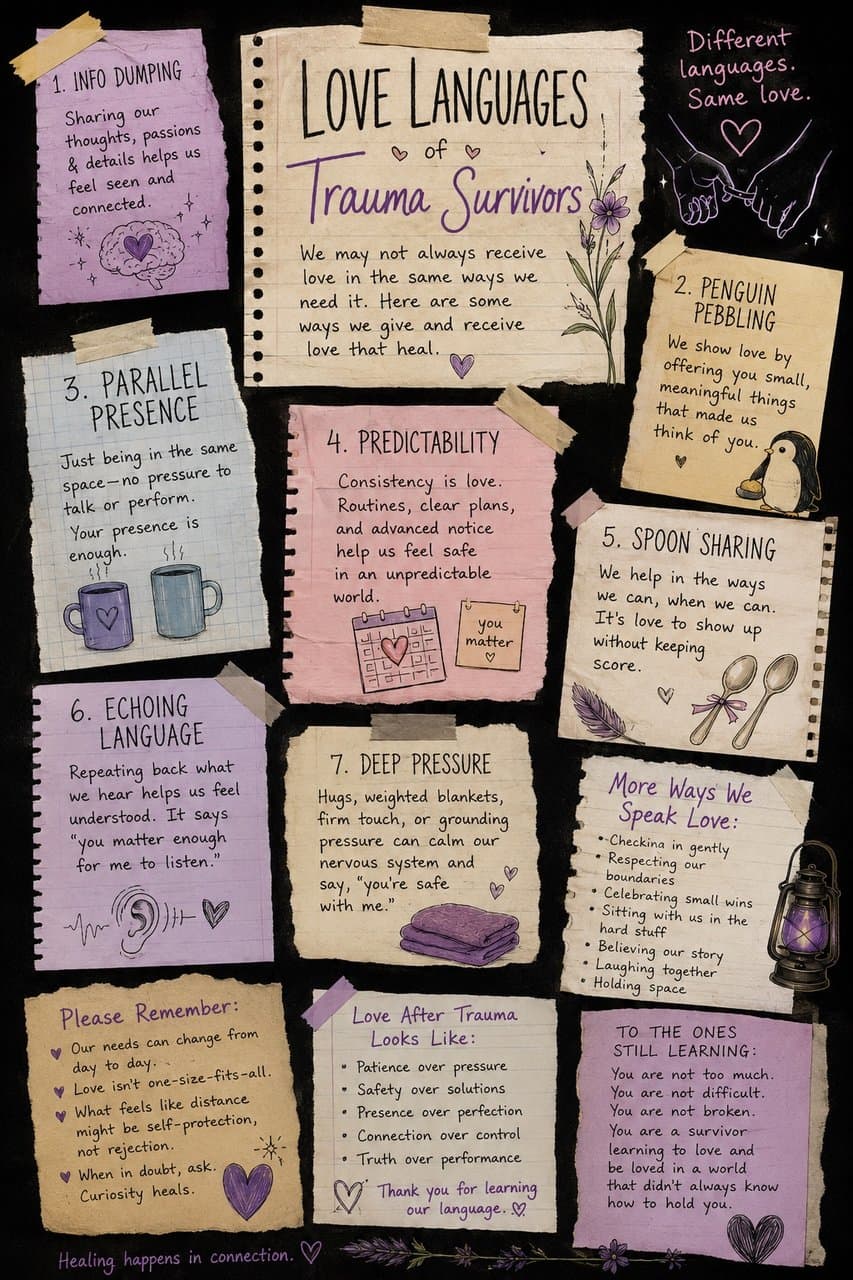
Love languages of trauma survivors 💜 My favorites are Info dumping and parallel presence. I do this by sharing my endless list of random “fun facts” with my partner that blow his mind 😁. Like, there is a tribe in Colombia where children preparing to be shamans are raised in complete darkness in caves. Wut. As for parallel presence, sometimes I love to just sit with my partner doing different things but just chilling together in silence.
6
View post
A Sol usercompleted a practice
3d ago
Related Insights

The health benefits of sound and music

Hellenistic art
Hellenistic music

Islamic sound and melody traditions
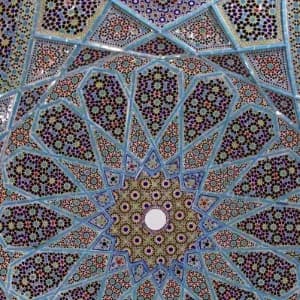
Islamic art
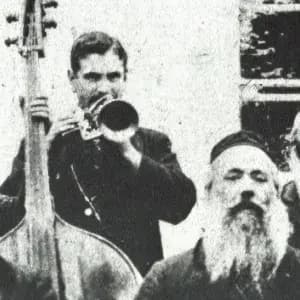
Jewish music and singing
Jewish art
Daoist music
Daoist visual arts
View post
A Sol userviewed a quote
4d ago
Art can lead to a higher sense of self-worth.
Did You Know?
The Arts in Psychotherapy 2007;34(1):1–10
View post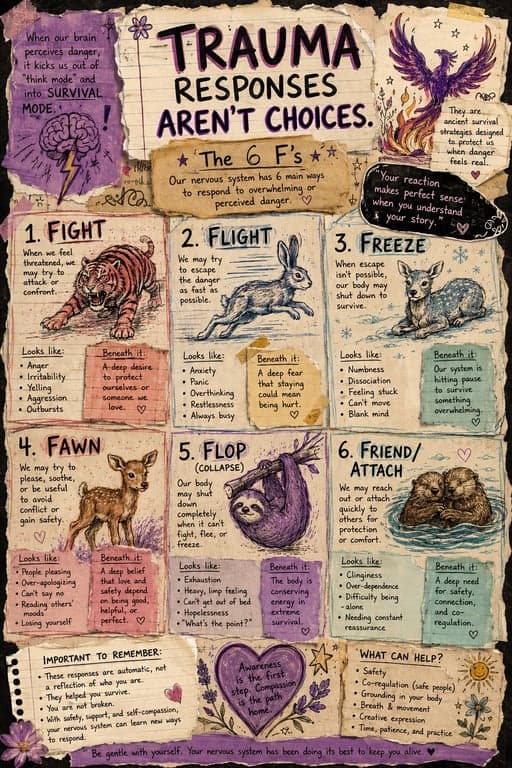
Trauma responses aren’t character flaws—they’re survival strategies. When your nervous system perceives danger, it automatically shifts into patterns that evolved to keep you alive. Fight, Flight, Freeze, Fawn, Flop, and Friend aren’t conscious choices; they’re protective responses that once made sense, even if they no longer serve you. Healing isn’t about judging these responses—it’s about understanding them, appreciating how hard they’ve worked to protect you, and gently teaching your nervous system that it’s finally safe enough to respond in new ways. 💜
6
1
View post
A Sol usercompleted a practice
5d ago
View post
A Sol userviewed a quote
5d ago
All the arts come from God and are to be respected as divine inventions.
Words of Wisdom
John Calvin
View post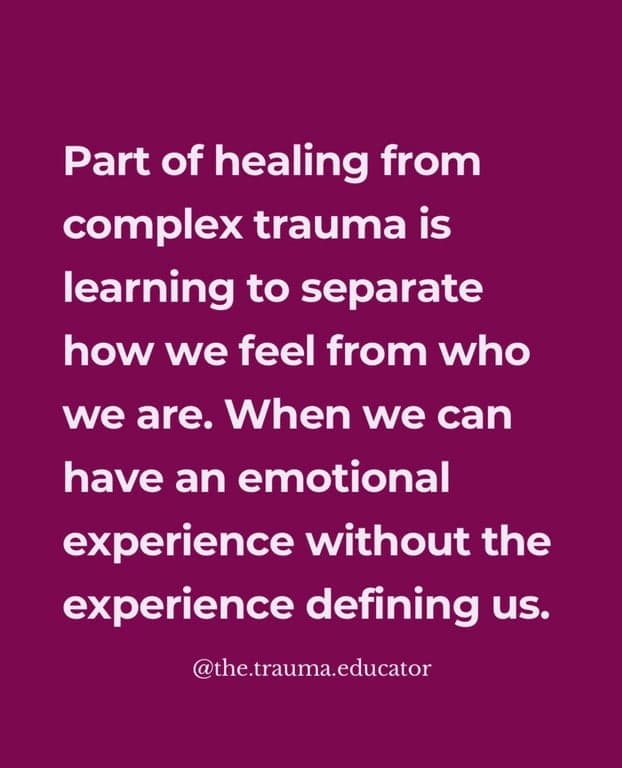
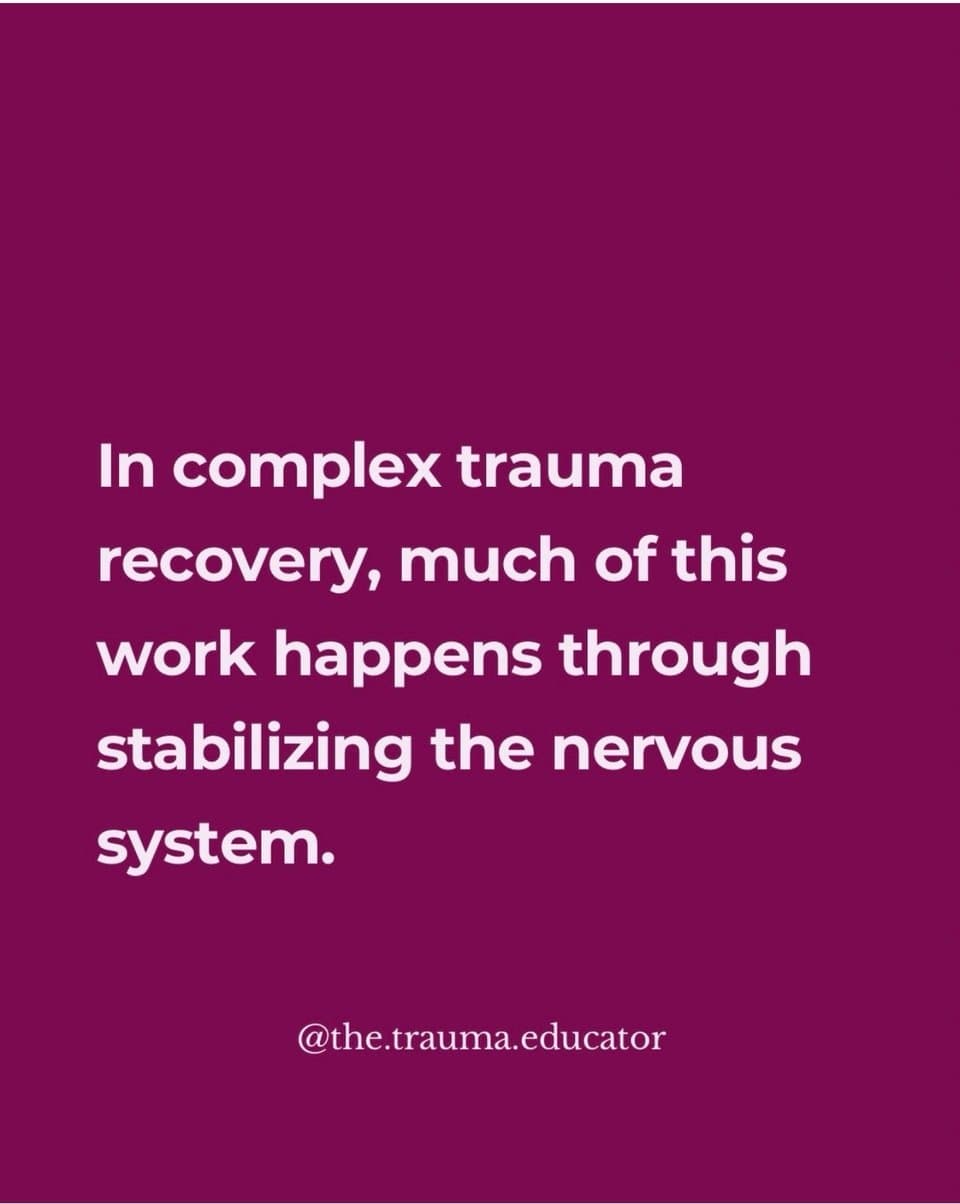

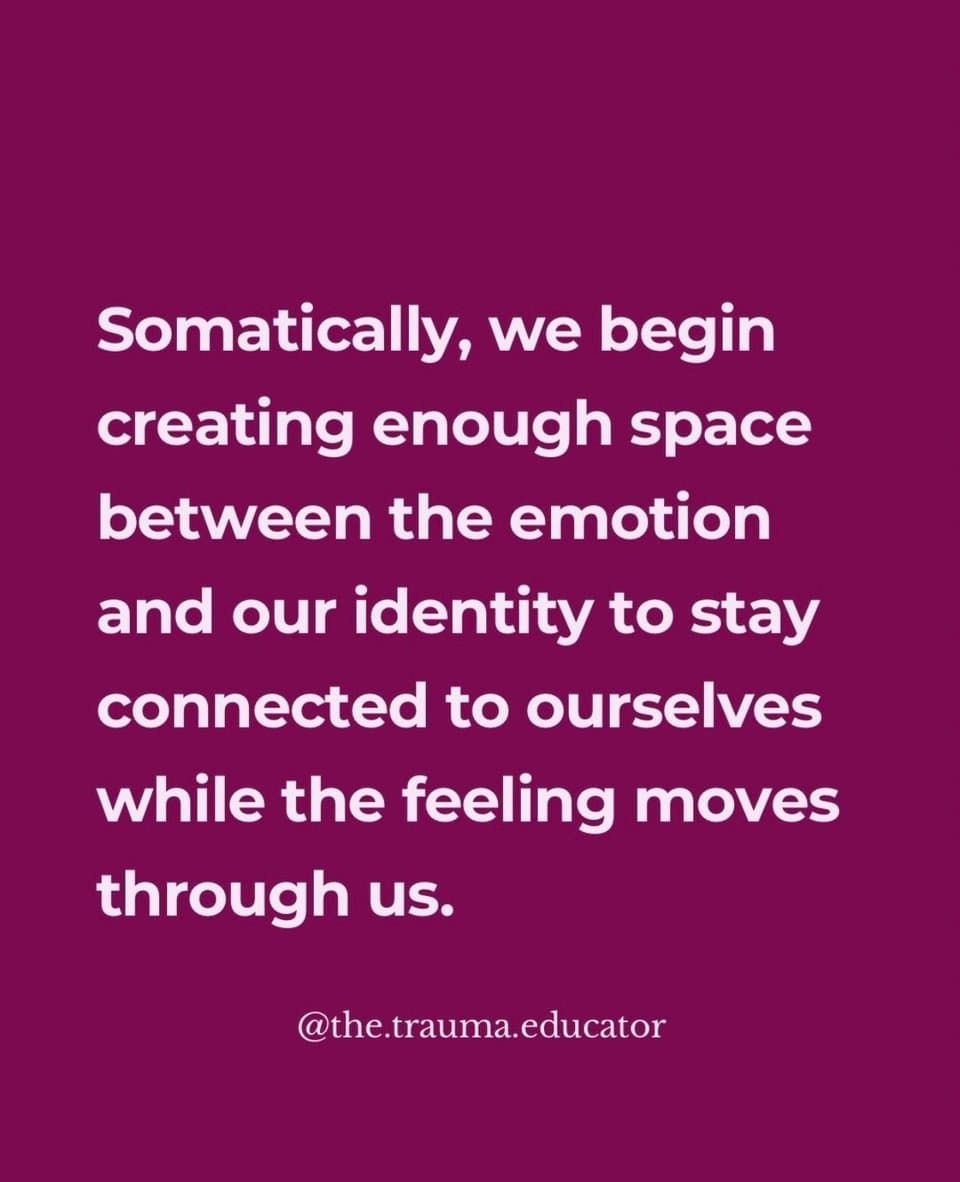
Someone posted something about trauma so thought I’d post this for them… this is a good circle for anyone dealing with complex trauma or big emotions 💜
9
3
View post
A Sol usercompleted a practice
6d ago
View post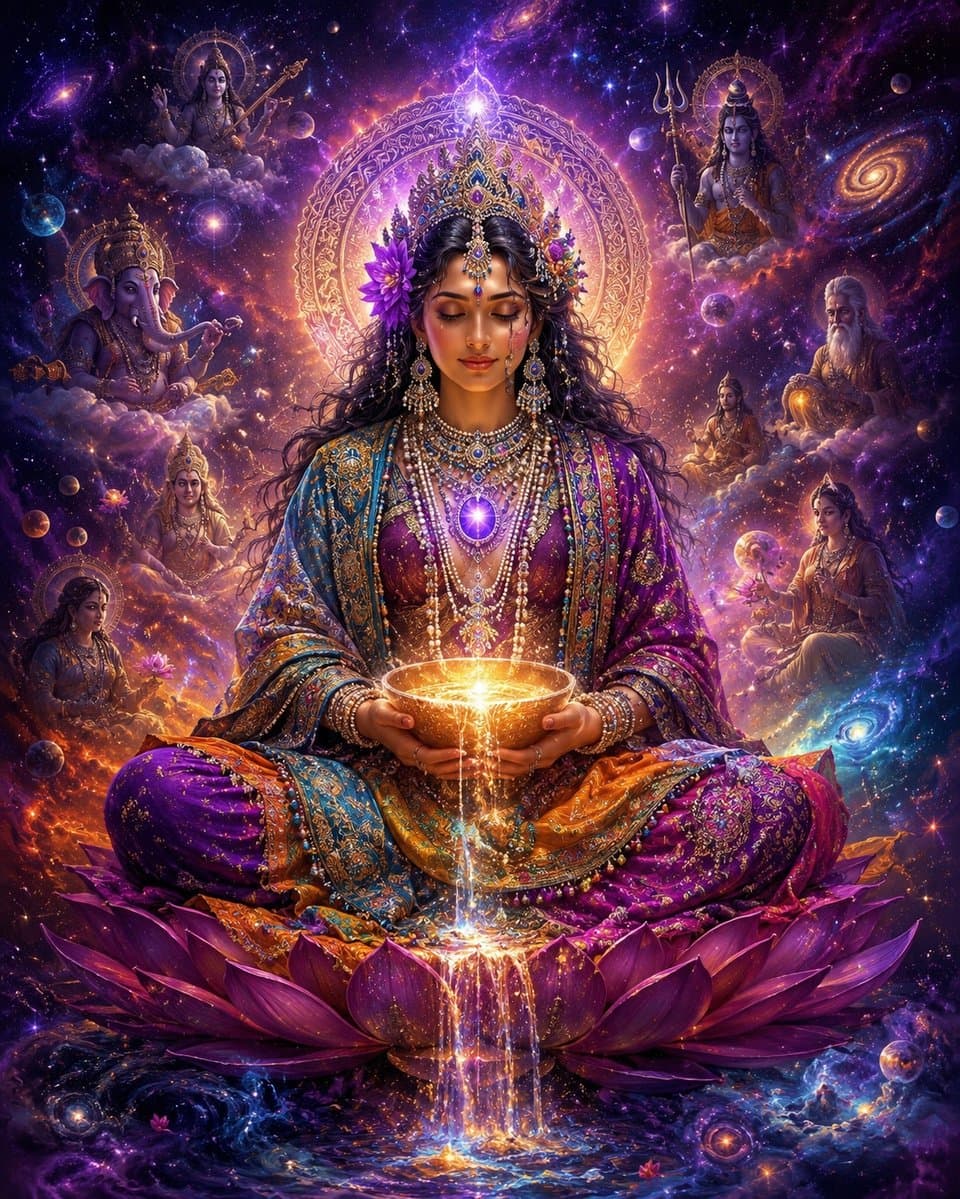
I’m learning about Advaita Vedanta, a Hindu spiritual tradition. Emerging from the Upanishads over two thousand years ago and later refined by the philosopher Shankara, Advaita isn’t a philosophy of positive thinking—it’s a radical inquiry into the nature of consciousness itself. It asks whether the distinction between self and world, subject and object, is ultimately as solid as it appears. Advaita Vedanta is one of the oldest and most sophisticated schools of Hindu philosophy. Rooted in the Upanishads and refined by the 8th-century philosopher Shankara, it is less a religion than a rigorous inquiry into consciousness itself. Through reason, meditation, and self-investigation, it asks a radical question: Who are you before every thought, memory, emotion, role, and identity? Its central claim is that our ordinary sense of being a separate self is incomplete—that beneath the constant movement of experience lies a deeper, indivisible reality in which the distinction between self and world begins to dissolve. As someone interested in trauma, I find its deepest insight isn’t that suffering is unreal. It’s that awareness can investigate suffering without collapsing into it. Healing still requires safety, relationship, and the body. But perhaps the freedom Advaita points toward begins when we become curious about the one who is aware of every experience, rather than only the experiences themselves.
5
Circles
Join a circle to connect with others and share your ideas.