




Community
Practice Type
View post
A Sol usercompleted a practice
55m ago
View post
A Sol usercompleted a practice
57m ago
Related Circles
Chakra Pathways PracticeI intent to open my own chakra healing and enlightening practice that aligns various journeys with the chakra systems. While I am passionate and educated on chakras, I have not had any actual training, so I would like to practice with my material while I work on my certifications. This space is open to anyone who is interested or invested shockers, and it is a safe space for all.
The Purple Phoenix CollectiveTrauma survivors healing together through creative expression, spiritual exploration, somatic practices, connection to nature, and mutual support. We offer free online workshops, support groups, and classes. Come join our tribe!
Spiritual Creatives by The Spiritual Arts FoundationFinally - a meetup group for spiritual creatives!
Are you an artist, composer, photographer, designer, writer, musician, filmmaker or producer whose work is inspired by spirituality? Spiritual Creatives is for you - a vibrant community where creative expression and spiritual inspiration meet.
Created by The Spiritual Arts Foundation, the UK’s first arts organisation dedicated to exploring spirituality through the arts, Spiritual Creatives has grown into a thriving meetup.com group of over 2,300 members, and now also exists on the Sol platform.
Founded by composer, music producer and filmmaker Clifford White - whose debut album Ascension (New World Music, 1985) sold over 50,000 copies - the group continues to connect and inspire conscious creators across the UK.

Immigrating SpirituallyImmigrating spiritually is a group where I post reflections on the spiritual part of the process of immigration.
I shed light on the fact that the process of immigration is as much spiritual as it is legal, practical, strategic, professional & so on.
Your soul chooses to relocate & expand in a specific place. It knows where it needs to be to reach the next stage of its growth.
In this political climate, where immigration is becoming more & more challenging & illogically so, I bring in cross cultural insights that connect to each soul’s unique destiny to enhance strength, resilience and courage to survive & thrive in this beautiful journey
Movie checkerThis is a place where you can share your impressions on the recently viewed movies.
Zarina E.I am Happy the way I am. I am always nice person. I always try to help.
View post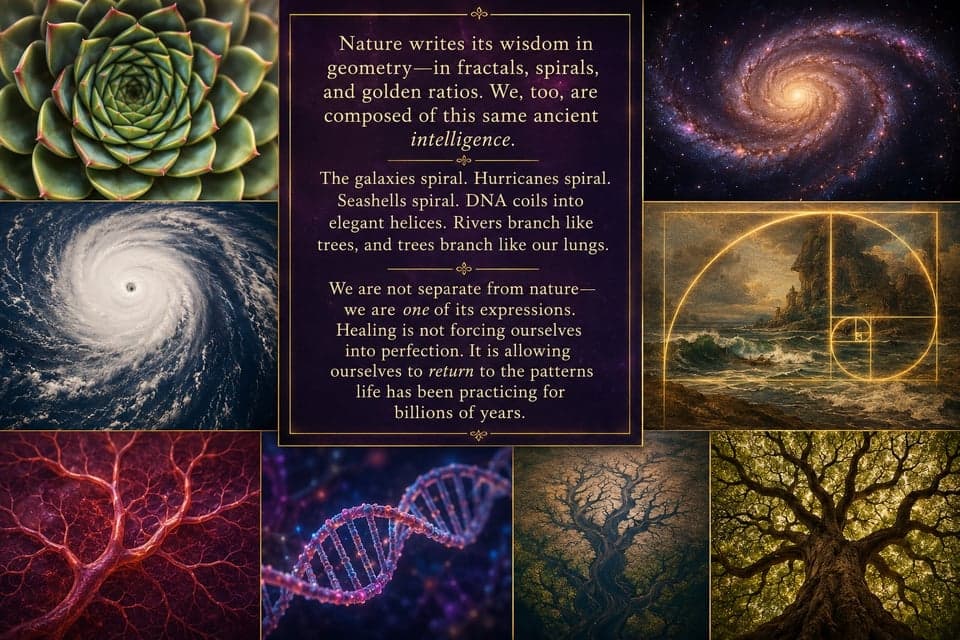
If your current state of being were a pattern in nature, what would it look like? A wild, tangled vine? A quiet, gathering fog? A sudden, sharp crystalline structure? Mine would be a spider’s web: it looks fragile but is actual incredibly strong.
3
View post
A Sol usercompleted a practice
15hr ago
Related Collections
View post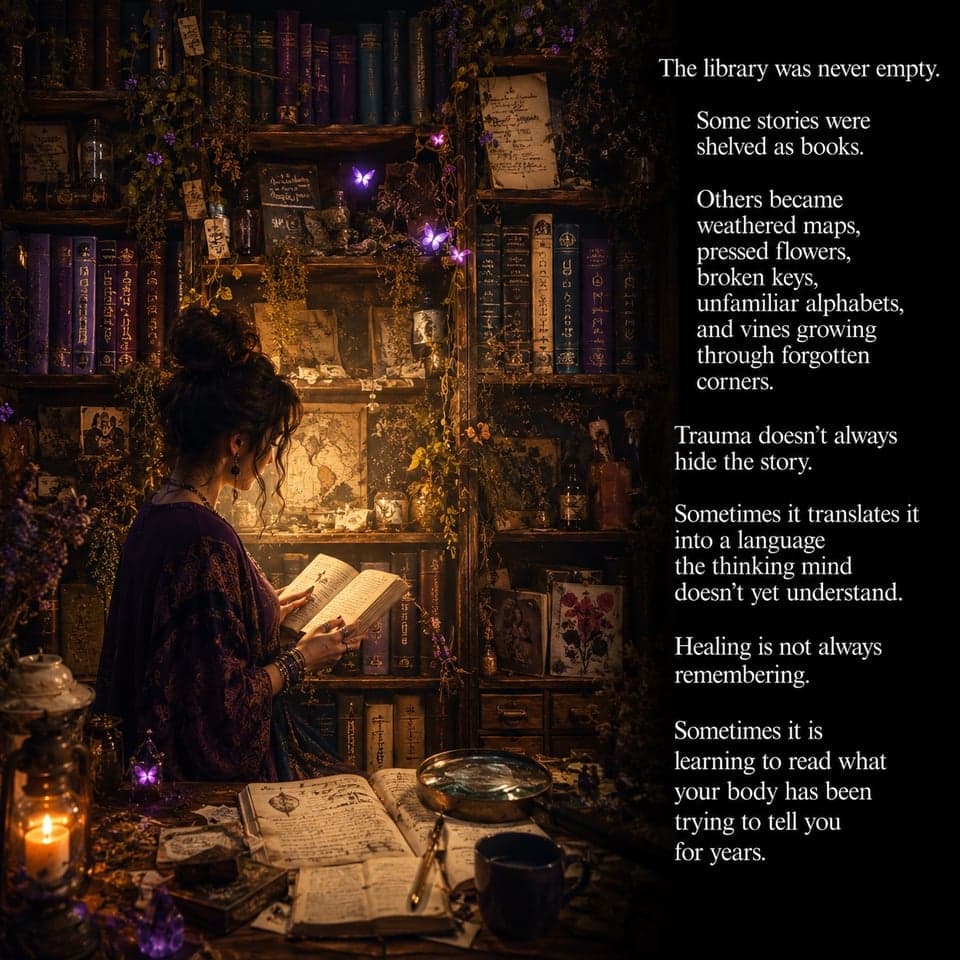
Sometimes the memories are not lost. They are written in a different language you can learn to understand, encoded in your body and deep in your psyche.
2
View post
A Sol userviewed a quote
21hr ago
Relationships that are considered spiritually sacred tend to be happier relationships.
Did You Know?
Journal of Family Psychology. 2014, Vol. 28, No. 5, 594 – 603
View post
A Sol userviewed a quote
22hr ago
Love in the past is only a memory. Love in the future is only a fantasy. True love lives in the here and now.
Words of Wisdom
The Buddha
1
Try a guided session
Book a transformative session with an experienced holistic wellness Guide.


Suhas
Resolve Downward Projection
$50 · 60min session

Suhas
Resolve Upward/Downward Projection Loop
$60 · 90min session

Suhas
Resolve Upward Projection
$50 · 60min session


Jerry
Minding The Spirit Within Us
$25 · 60min session

MJ
Marni
Tai Chi for Arthritis and Fall Prevention
$45 · 45min session


Lisa
Intro to Shamanism and its core principles
$10 · 60min session


Kristina
Healing from Trauma through Creativity and Meaning-Making
$49 · 60min session

Suhas
Connect to your Heart-guidance
$40 · 45min session
View post
A Sol usercompleted a practice
1d ago
View post
Third Eye Chakra Activity# 1: Addiction is rarely random; it operates on highly predictable, cyclical loops. To break the loop, we must first map its exact anatomy A craving is the end result of a chain reaction. We must find the spark by deconstructing the automatic loop. Open your dedicated chakra journal or whichever digital tool you use to track your daily data. Create a "Trigger Matrix" template. Every time you feel a pull to your addiction, map the sequence backwards: 1. The Action/Urge: (e.g., I want to use right now.) 2. The Emotion: (e.g., I feel intensely anxious and inadequate.) 3. The Thought: (e.g., I'm never going to get everything done; I'm failing.) 4. The Spark/Trigger: (e.g., I looked at my bank account, or I had a conflict at work.) Review your matrix at the end of the week and look for the synchronicities in the data. Do cravings spike on specific days, under specific stress conditions, or around certain people? Once you see the pattern, the illusion of randomness is broken.
4
View post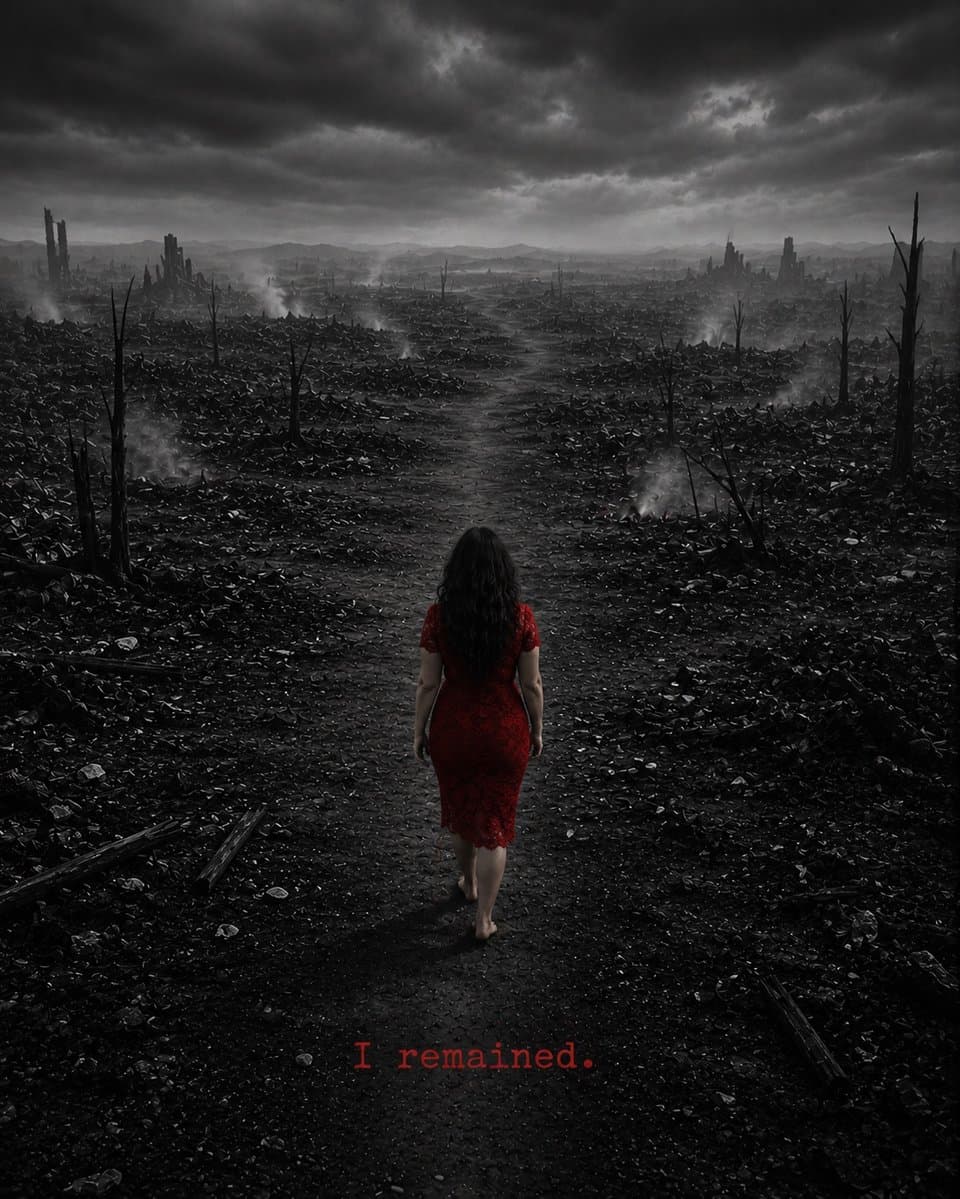
I never grieved the forest I just proceeded I never knelt down To dig through the ashes I just kept moving Even when they tried To hurt me To annihilate my mind And steal my flame I continued These weren’t brave acts I survived because the alternative Meant I couldn’t learn anymore And I must keep learning at all costs This is my story of survival Of how I remained
5
Related Practices

Relationship Style Test →
Understand how you connect in relationships
Check Your Compatibility →
Explore opportunities to improve relationships

Share a meal with friends or family →
Nourish your body and lift your spirits

Write a gratitude text →
Unlock joy by acknowledging life's gifts daily
Play a team sport →
Use community activity to awaken body and spirit
Play a team sport →
Boost camaraderie and wellness through joyful competition
Join a Circle →
Be part of a supportive community that shares your interests

Invite a friend to Sol →
Spread joy and compassion
View post
A Sol usercompleted a practice
1d ago
View post
A Sol userviewed a quote
2d ago
If love is there in the community, if we've been nourished by the harmony in the community, then we will never move away from love.
Words of Wisdom
Thich Nhat Hanh
Related Quotes
View post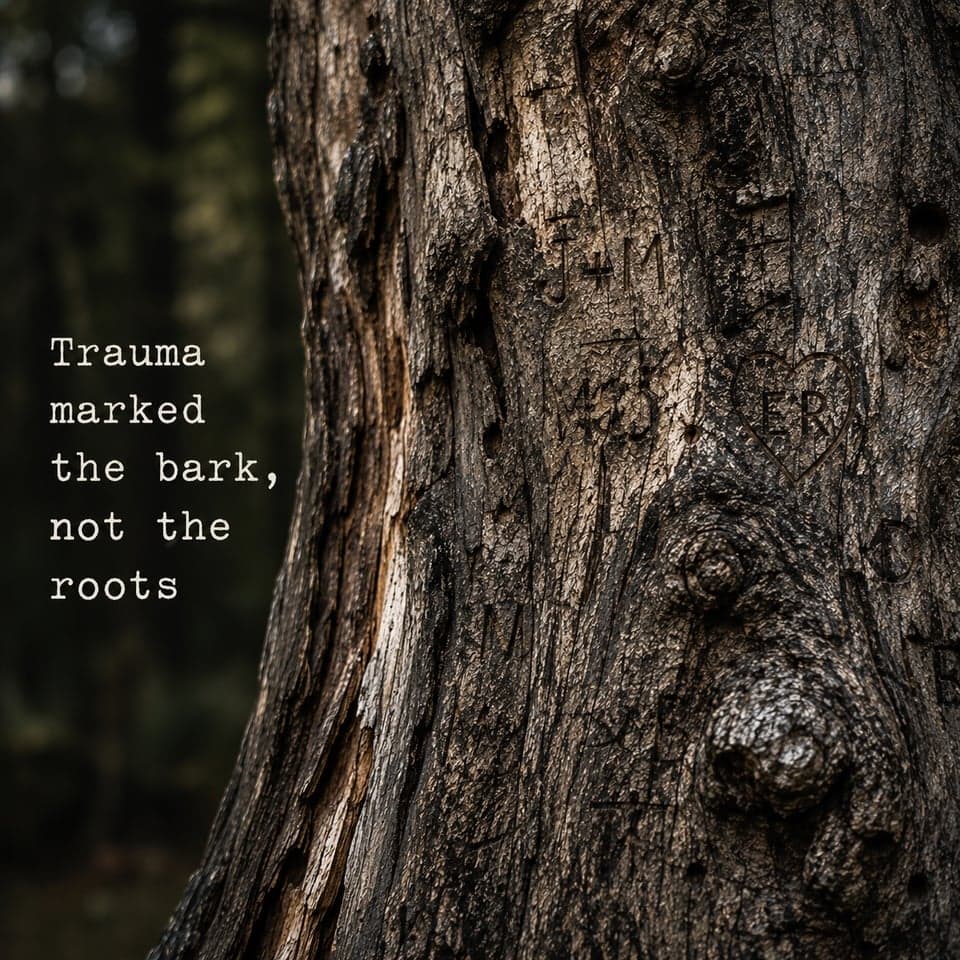
In my healing journey, I am discovering that the core of who I am—my authentic self—has always been there, underneath layers of survival programming. I am spending more and more time feeling safe enough to be myself, and it feels liberating. Like taking off a tight mask I’ve worn for so long that I forgot it wasn’t my face. The key is creating a sense of safety for yourself. That means something different for everyone. For me, it was finding a healthy relationship with a safe, loving partner. For someone else, it might be a compassionate therapist, a trusted friend, a support group, a spiritual practice, medication, time in nature, a pet, or simply having a home where your nervous system can finally exhale. Safety isn’t a luxury. It’s the soil where authenticity grows.
6
View post
A Sol usercompleted a practice
2d ago
View post
The Third Eye, located in the center of the forehead, is governed by the element of Light and the color indigo. It is the seat of the "Observer Mind"—your capacity for deep psychological insight, intuition, and pattern recognition. Addiction is a deeply ingrained cognitive and behavioral loop. It feels automatic, hiding behind a veil of cognitive blind spots and rationalizations. Surviving on the illusion of powerlessnes, it convinces you that the cycle cannot be broken. Healing the Third Eye is about lifting the veil. You learn to step back and watch your own mind work without getting tangled in its automatic loops. Th the "Observer Mind." It teaches the individual to step back and dissect the anatomy of their cravings, separating their true self from the addictive thoughts through psychological insight and mental rehearsal. Illusions. Our goal in this module will be separating our true selves from our addictive thoughts, recognizing that we are the sky, and our cravings are simply the weather passing through.
5
2
Related Insights
View post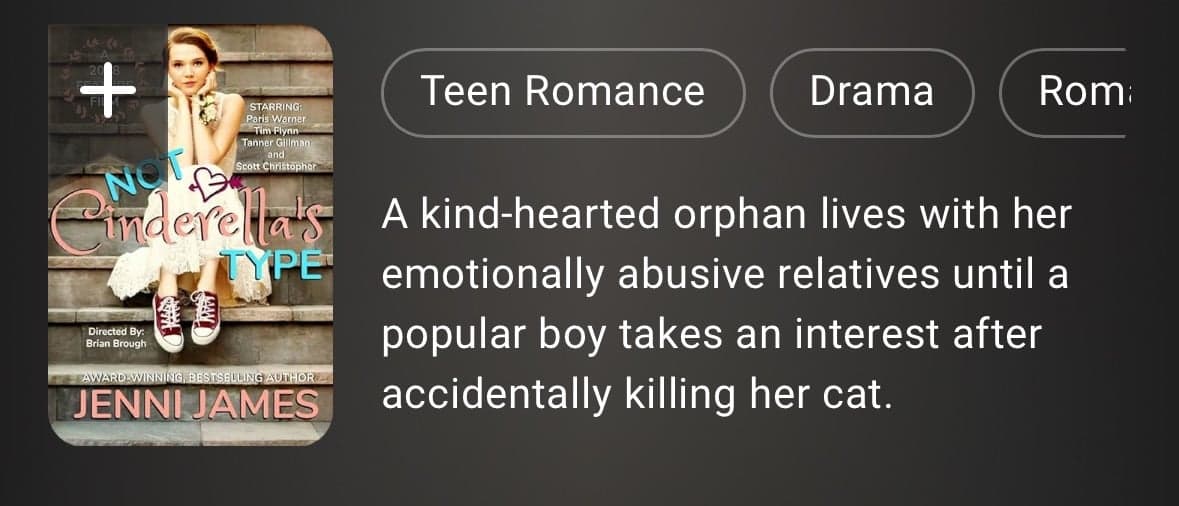
The “Cinderella” elements are present, but the point is, living with such relatives, this applies to me, except we know that IRL we must save ourselves or some of our extended family should help, tho the overall story is one of the greatest comforts of mine💙 even if I haven’t watched it in long while.
3
View post
If u wanna understand what’s it like to live with toxic family, then Not Cinderella’s type 2018 is the most relatable one💙
2
4
View post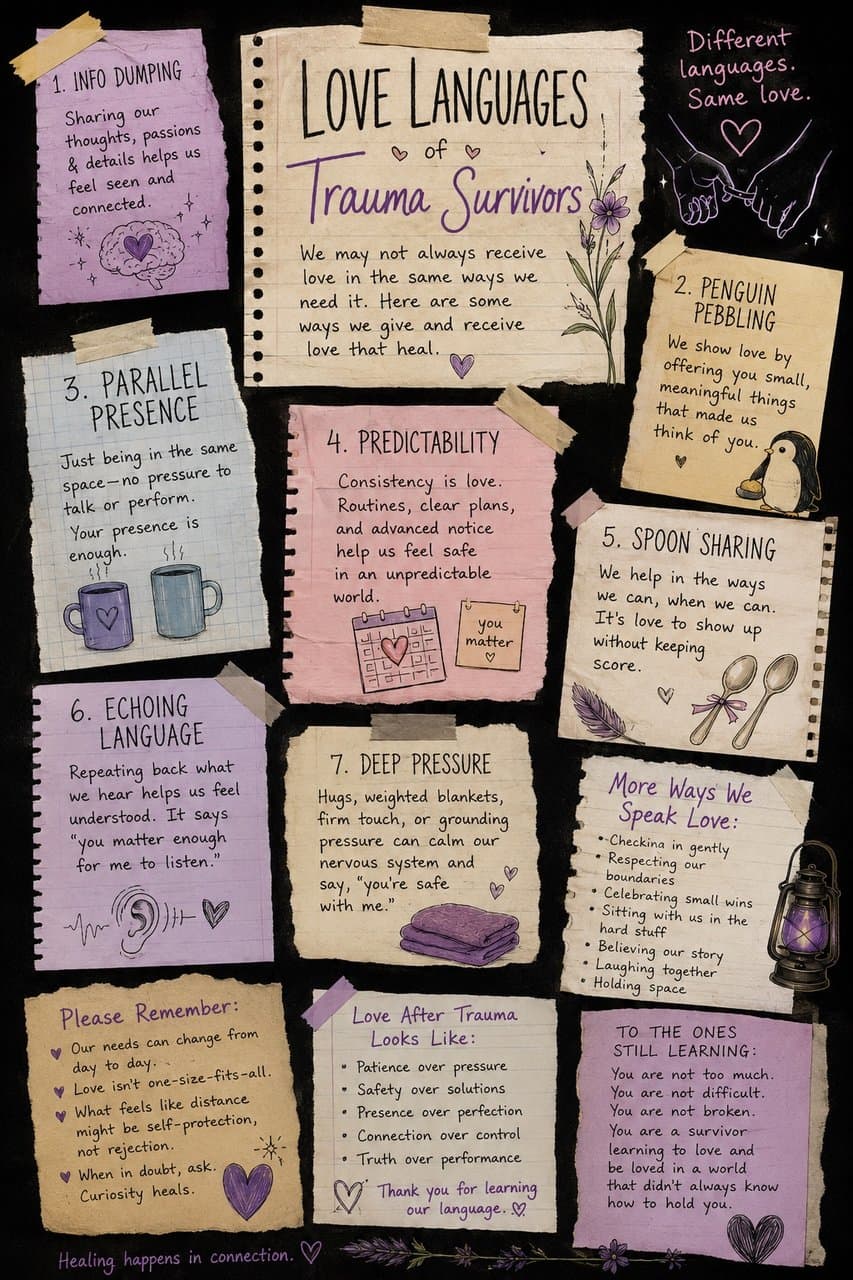
Love languages of trauma survivors 💜 My favorites are Info dumping and parallel presence. I do this by sharing my endless list of random “fun facts” with my partner that blow his mind 😁. Like, there is a tribe in Colombia where children preparing to be shamans are raised in complete darkness in caves. Wut. As for parallel presence, sometimes I love to just sit with my partner doing different things but just chilling together in silence.
6
View post
A Sol usercompleted a practice
3d ago
View post
A Sol userviewed a quote
4d ago
Only by externalization, by entering into social relationships, can we develop the interiority of our own person.
Words of Wisdom
Jürgen Habermas
Circles
Join a circle to connect with others and share your ideas.